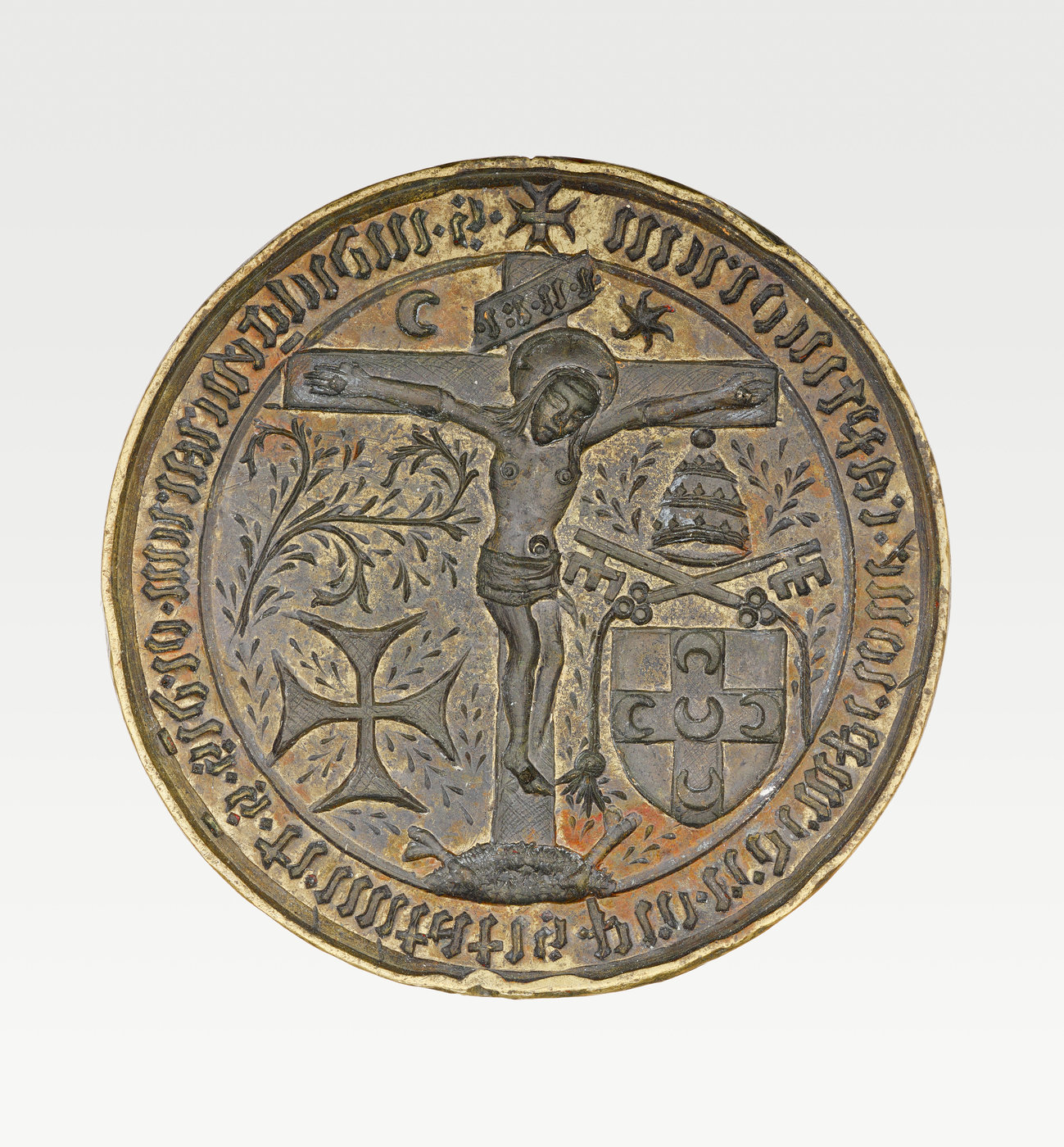
Indulgence seal matrix, Cl. 23918 © GrandPalaisRmn / Michel Urtado

Indulgence seal matrix, Cl. 23918 © GrandPalaisRmn / Michel Urtado
Tapestries of the story of Saint Stephen, Piece I, The Martyrdom of Saint Etienne, Cl. 20200
© GrandPalaisRmn / Jean-Gilles Berizzi
Between 1500 and 1509
Seigneurial Life Tapestry, The Stroll, Cl. 2178 © GrandPalaisRmn / Franck Raux
Early 16th century
Misericords, three pigs playing the organ and foliage, Cl. 20396 (detail) © GrandPalaisRmn / Michel Urtado
Late 15th century
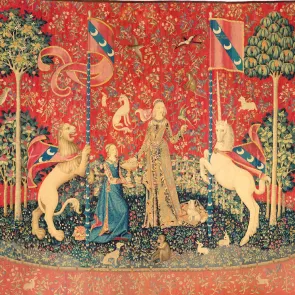
The Lady and the Unicorn tapestries, Taste, Cl. 10831 © GrandPalaisRmn / Michel Urtado
circa 1500
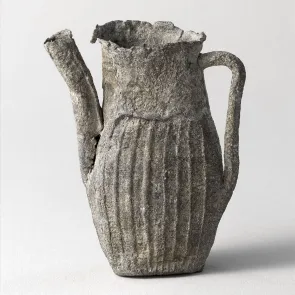
Dollhouse toys, ewer, Cl. 17772 © GrandPalaisRmn / Jean-Gilles Berizzi
14th century
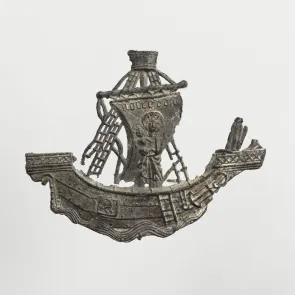
Pilgrimage badge, Notre-Dame, Cl. 4697 © GrandPalaisRmn / Michel Urtado
13th century - 14th century - 15th century
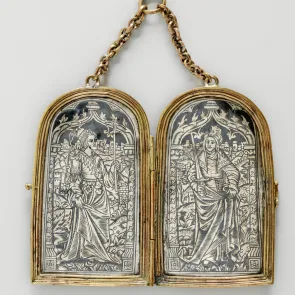
Sibyls, portable diptych for private devotion, Cl. 23986 © GrandPalaisRmn / Michel Urtado
Circa 1500-1510
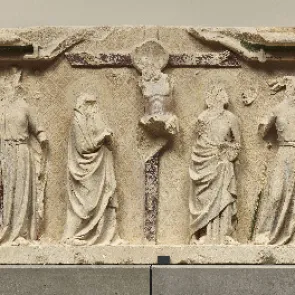
Saint Germer altarpiece, Cl. 18749 © GrandPalaisRmn / Michel Urtado
13th century
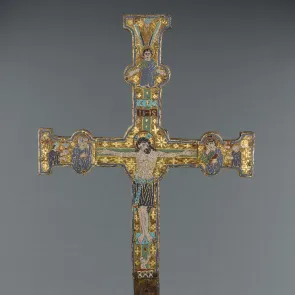
Processional cross from the abbey of Bonneval, Cl. 22888 © GrandPalaisRmn / Jean-Gilles Berizzi
13th century
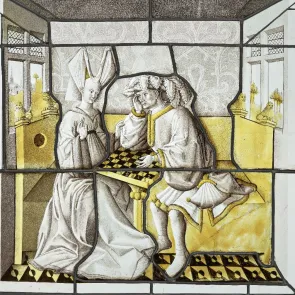
Stained glass, Chess players, Cl. 23422 © GrandPalaisRmn / Mathieu Rabeau
15th century
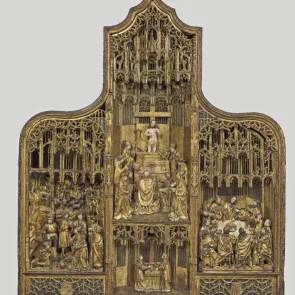
Altarpiece of the Holy Sacrament, Cl. 240 © GrandPalaisRmn / Michel Urtado
1514
Pilgrimage badge, Notre-Dame, Cl. 4697 © GrandPalaisRmn / Michel Urtado
13th century - 14th century - 15th century
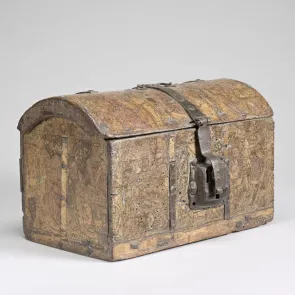
Casket with print decor, Cl. 23925 © GrandPalaisRmn / Michel Urtado
16th century (circa 1500)
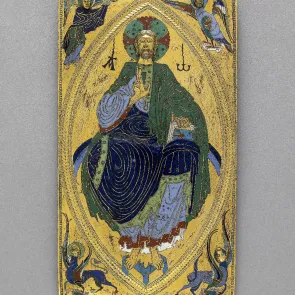
Christ in majesty, bookbinding plate, Cl. 13070 © GrandPalaisRmn / Thierry Ollivier
12th century
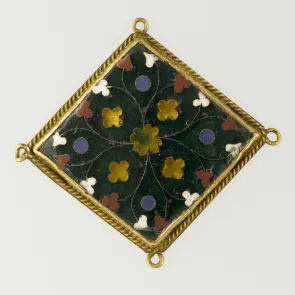
Small enamelled plate, Cl. 21386 © GrandPalaisRmn / Jean-Gilles Berizzi
Circa 1300
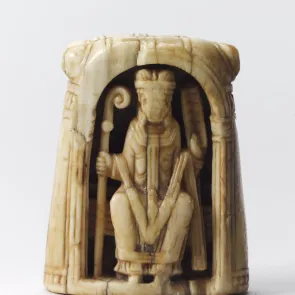
Chess piece, bishop, Cl. 23885 © GrandPalaisRmn / Michel Urtado
Mid-12th century
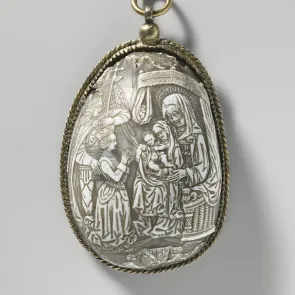
Devotional pendant (cameo on shell), Cl. 23985 © GrandPalaisRmn / Michel Urtado
15th century
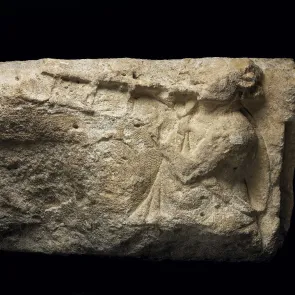
Saint Landry Pillar, Musician, rose window and leaf motif, Cl. 18607 © GrandPalaisRmn / Michel Urtado
First half of the 2nd century
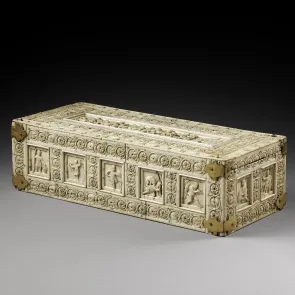
Casket with mythological and battles scenes, Cl. 13075 © GrandPalaisRmn / Thierry Ollivier
10th century
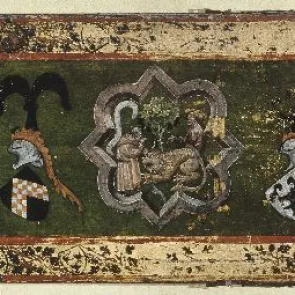
Painted table from Germany decorated with four four-lobed medallions, Cl. 7725 © GrandPalaisRmn / Gérard Blot
15th century