Found in the Seine in the 19th century, these pilgrimage badges served as souvenirs and attested to the accomplished pilgrimage. These small decorative objects in lead and tin are linked to the cult of relics.
At the end of the Middle Ages, pilgrims brought back small decorative objects as a souvenir and proof of their journey. These were pilgrimage badges. These were very popular in Western Europe from the 13th to the start of the 14th century. They reflect the importance of pilgrimage during the Middle Ages.
These objects are made from a cast lead alloy, allowing for mass production and widespread distribution. They were worn pinned to clothes or hats and then thrown into the rivers as a token of a vow.
The Musée de Cluny’s collection is one with an extraordinary amount of pieces. Most of it was discovered at the bottom of the Seine at the end of the 19th century by Arthur Forgeais. These objects are part of what is known as the "plombs de la Seine" having been discovered in the riverbed where they had been thrown.
Pilgrimage badges are associated with the veneration of the Virgin Mary, the Life of Christ, and the saints. They reflect various devotions, each linked to a specific place of pilgrimage.
The most significant pilgrimages were to Rome and Jerusalem, but most pilgrims preferred destinations nearer to where they lived.
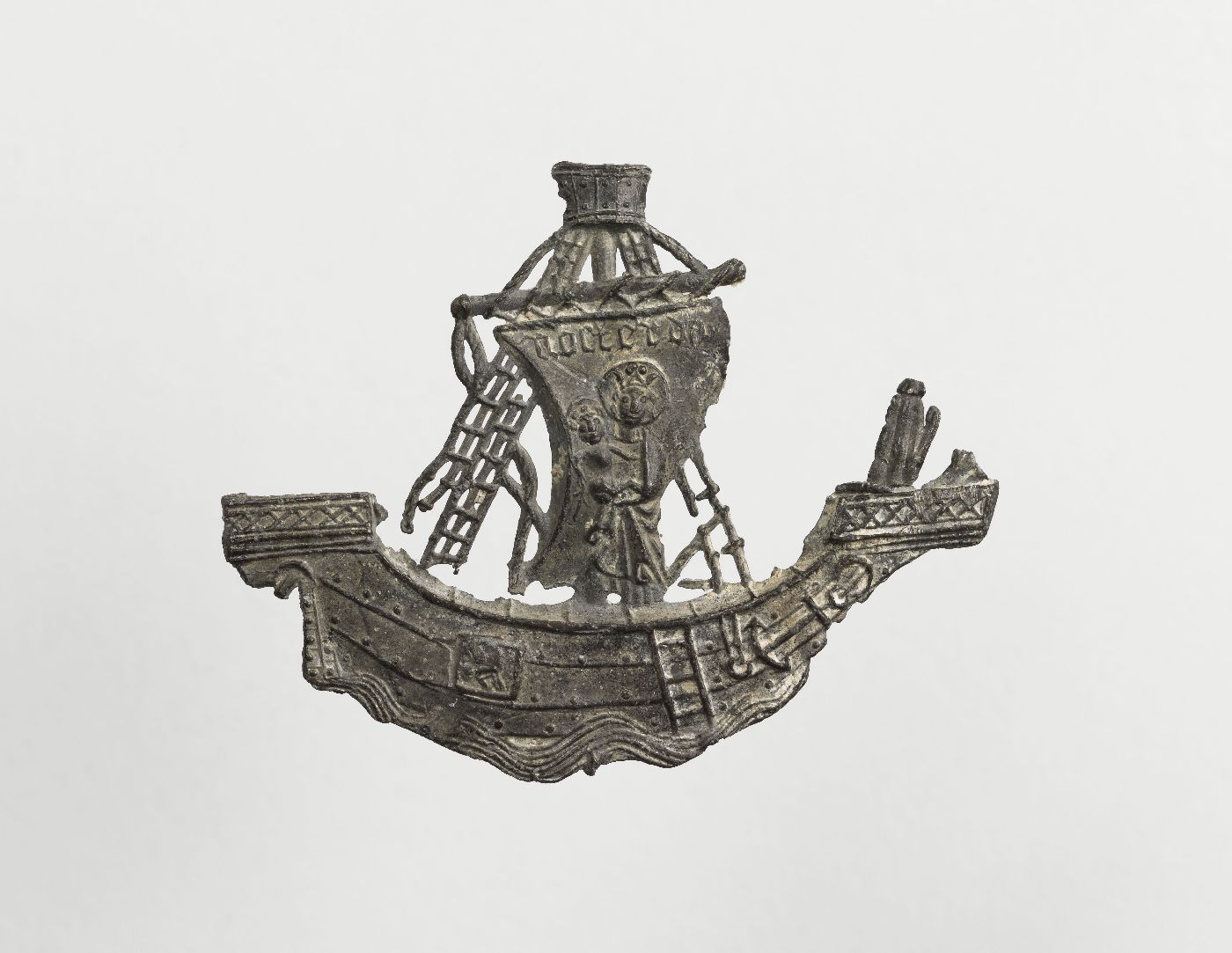
As such, they were going to pray to the Virgin in Boulogne-sur-Mer, as shown by the sign shaped like a ship bearing an image of the Virgin and Child. This recalls the miracle that took place in this town. In Christian tradition, the inhabitants witnessed the docking of a boat guided by angels at the mouth of the river. A wooden statue of the Virgin Mary holding the Infant Jesus is seen above. The Virgin asks them to build a church for her, which they do. Devotional veneration and worship of Mary then developed in Boulogne-sur-Mer.
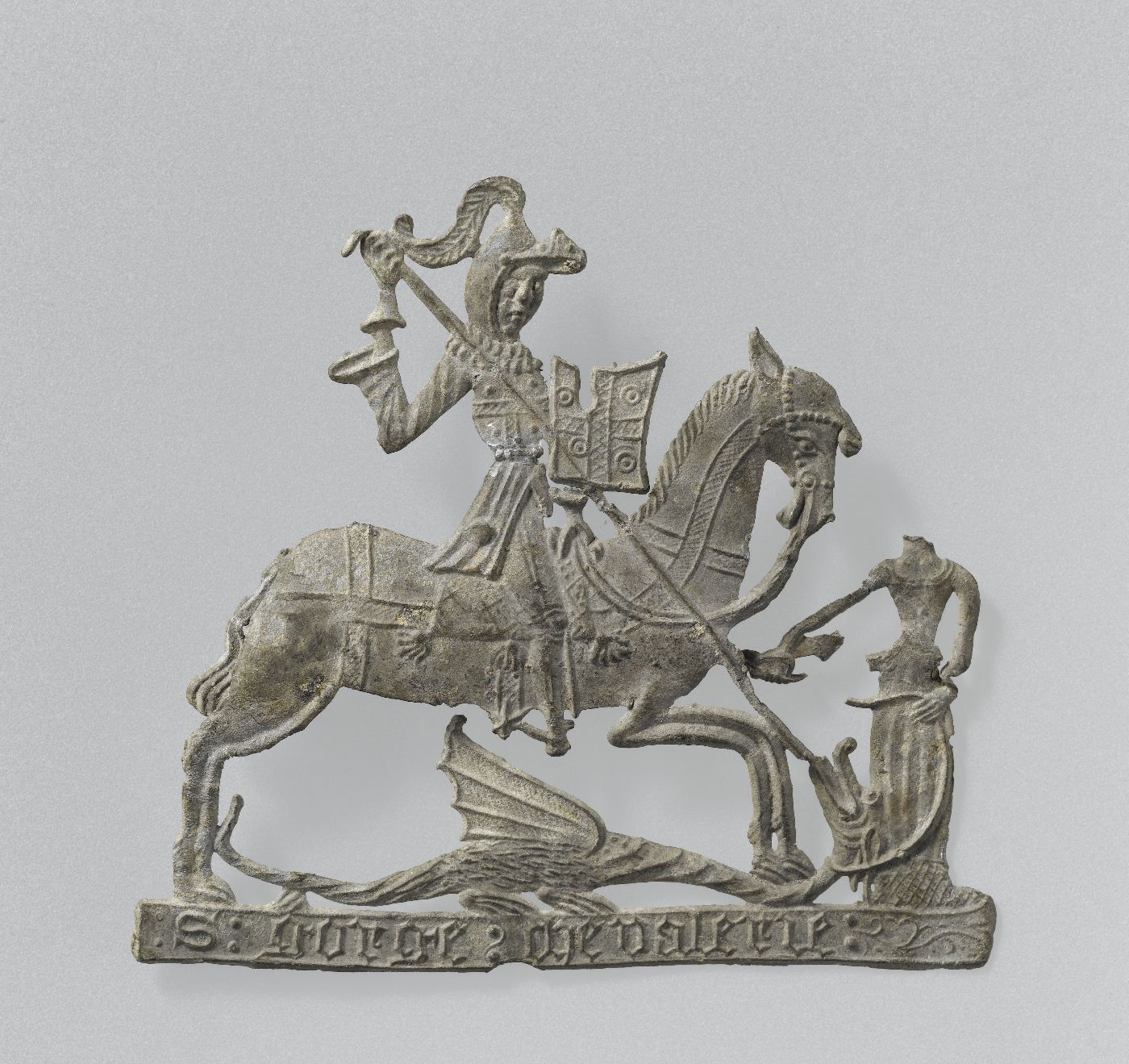
Some signs depict a saint and the miracle associated with them. For example, St George is depicted on horseback in knightly attire, piercing the dragon with his lance. This image was common during the Middle Ages. The Musée de Cluny also has a targe with the same motif. George is the patron saint of the knights. This badge was meant to protect the knight who carried it.
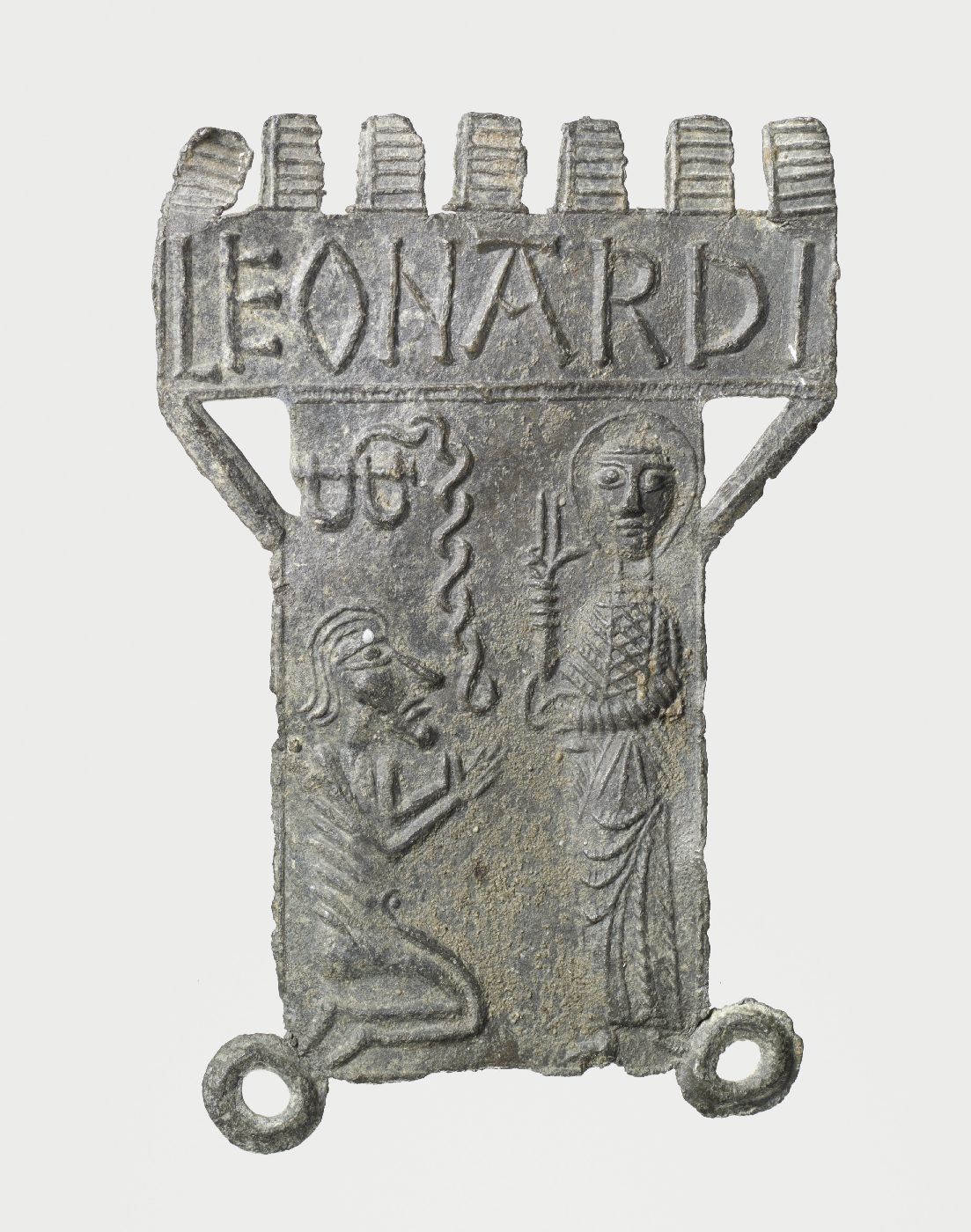
Similarly, another badge shows a prisoner praying before Saint Leonard, patron of prisoners, who was venerated in Saint-Leonard-de-Noblat. The badge comes from its collegiate.
Other badges represent a characteristic element from the pilgrimage area. For example, shells are shown on a badge from the Abbey of Saint James the Great of Compostela, referring to Saint James.
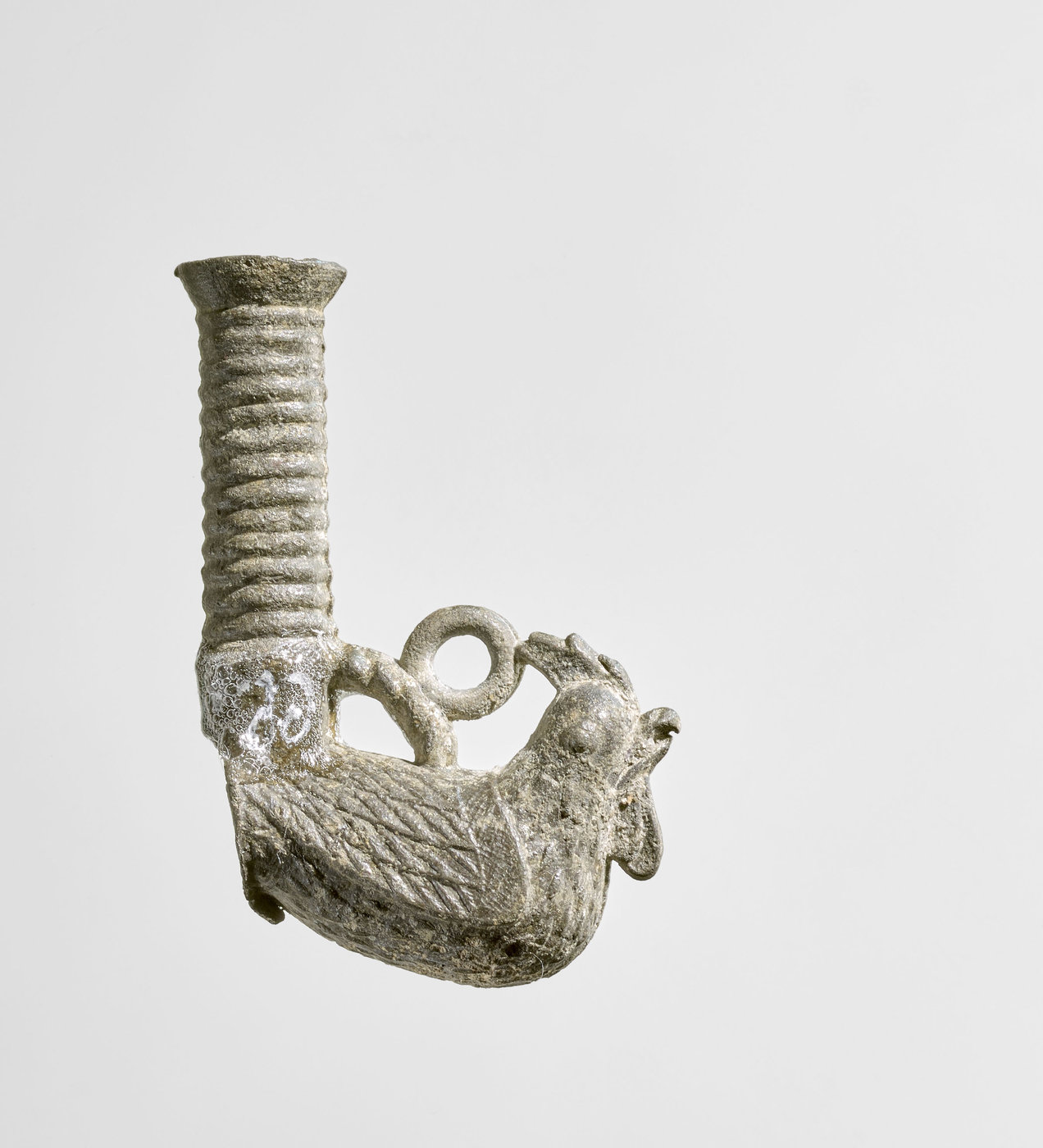
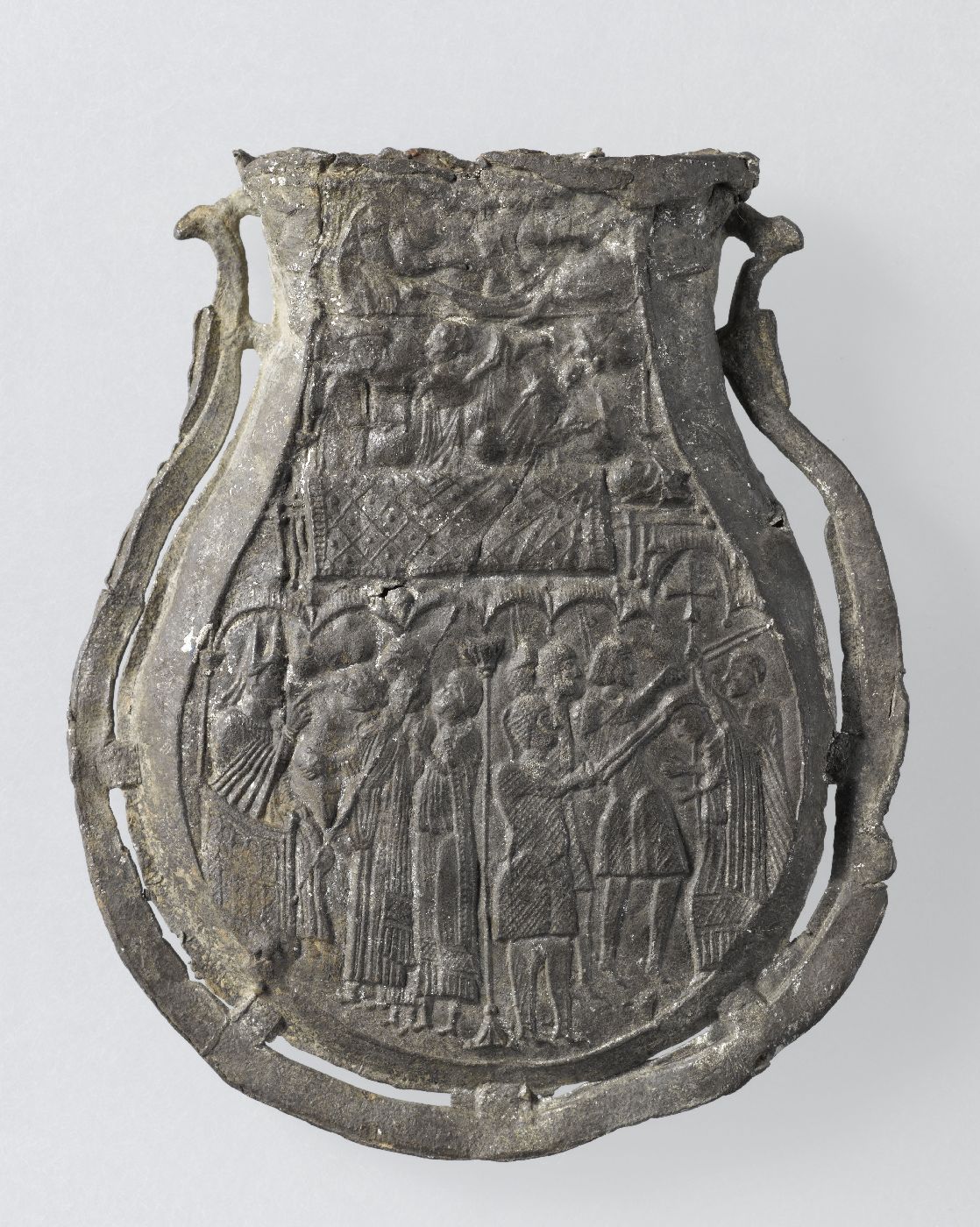
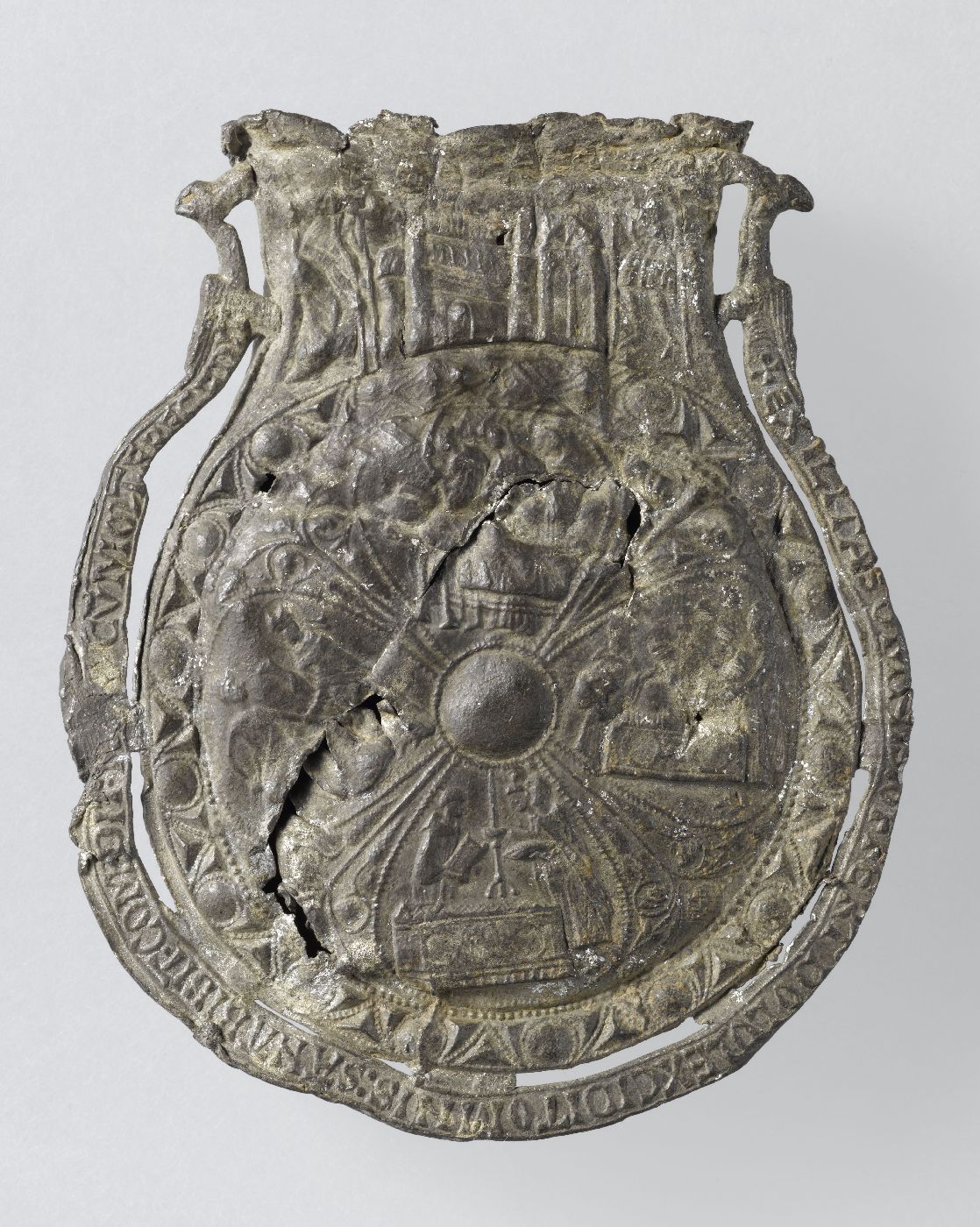
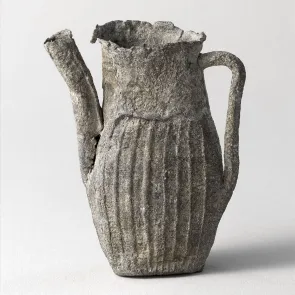
Pilgrims could also bring back ampullae, small flasks containing a few drops of a precious liquid collected at the pilgrimage site. The ampulla of Saint Thomas Becket is exceptional for its size, early date and decor. It depicts the key episodes of this saint's life, martyrdom, and miracles. It originated from Canterbury Cathedral (England) and was used to bring back "water from Saint Thomas".