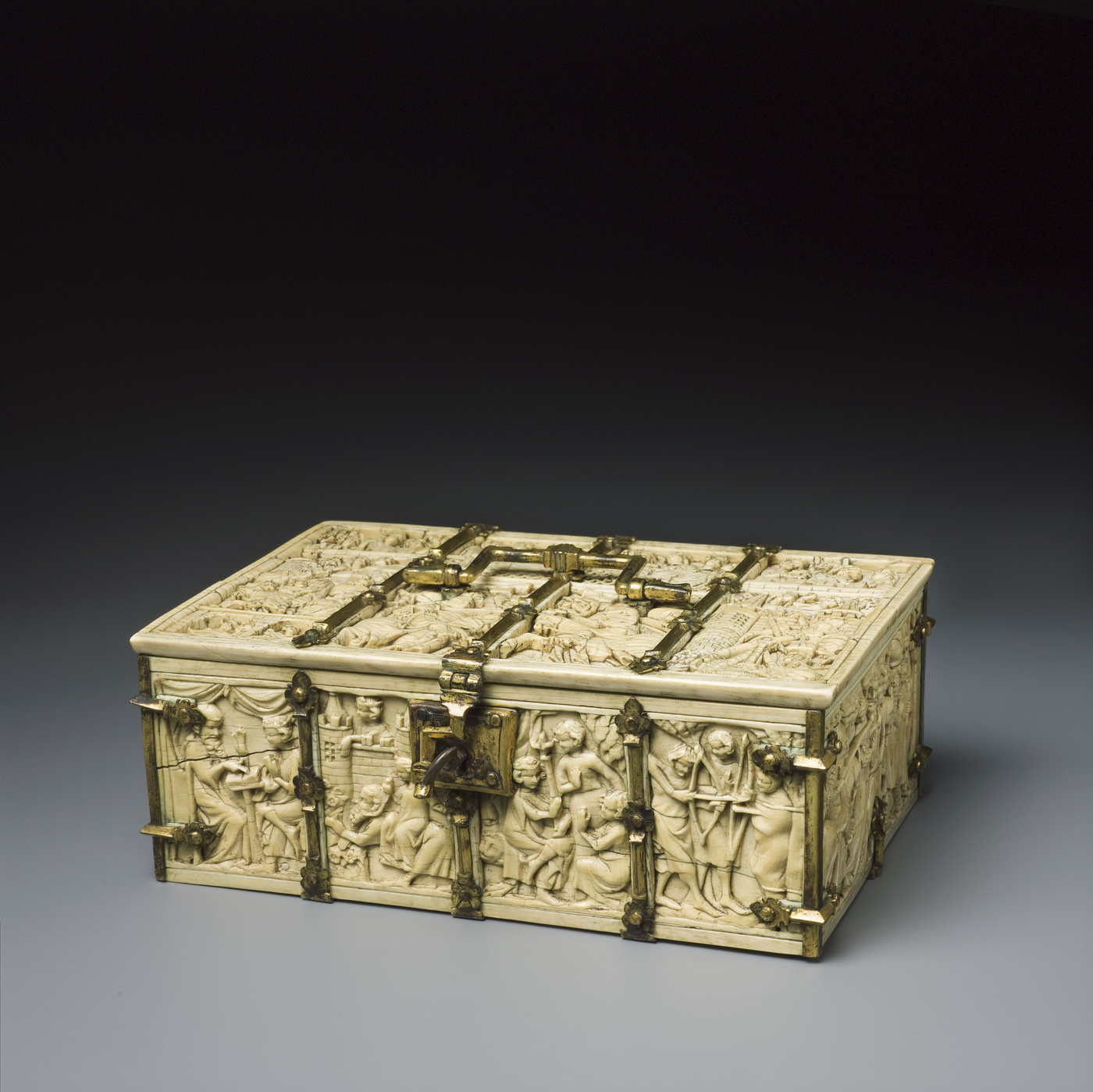
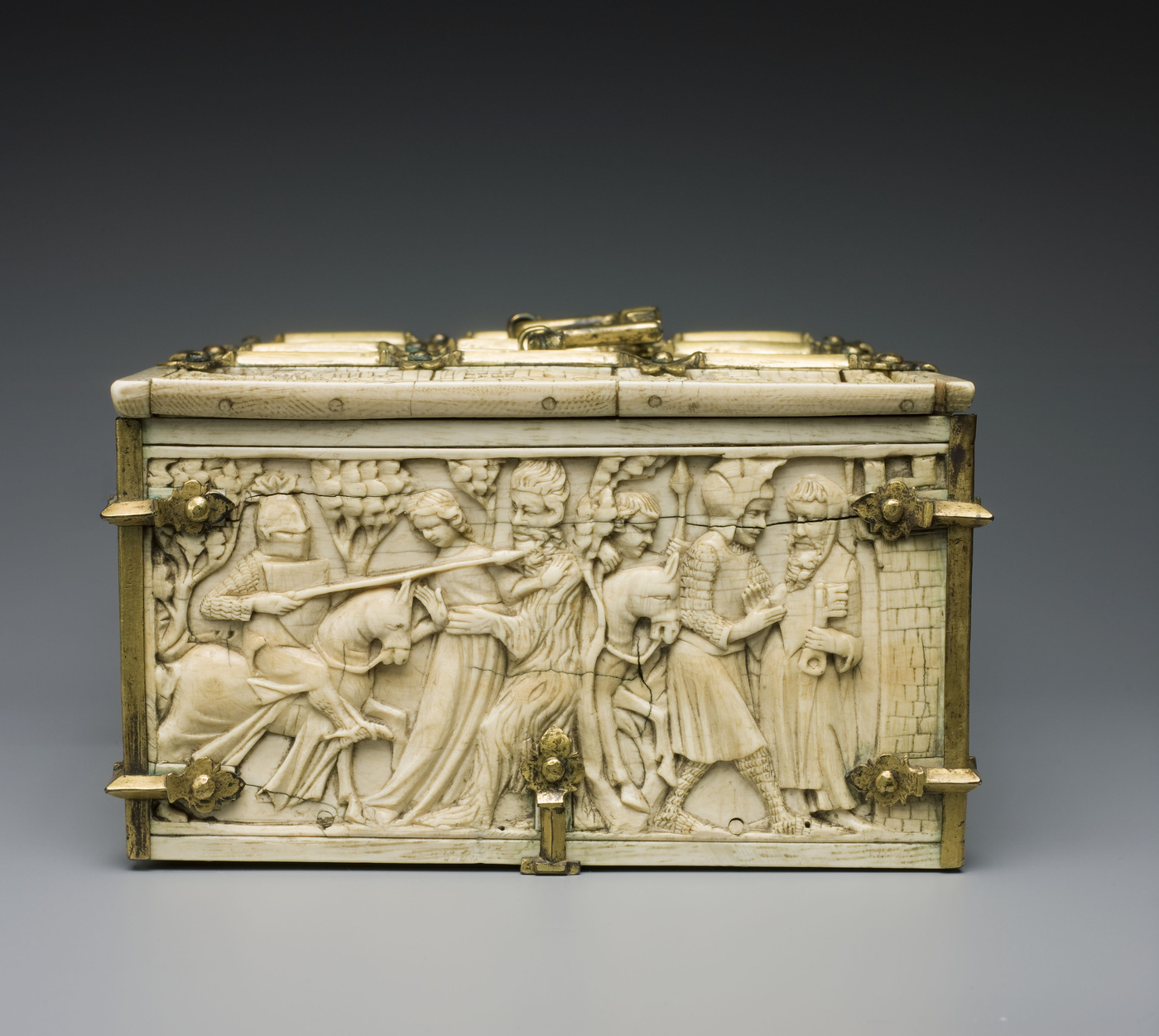
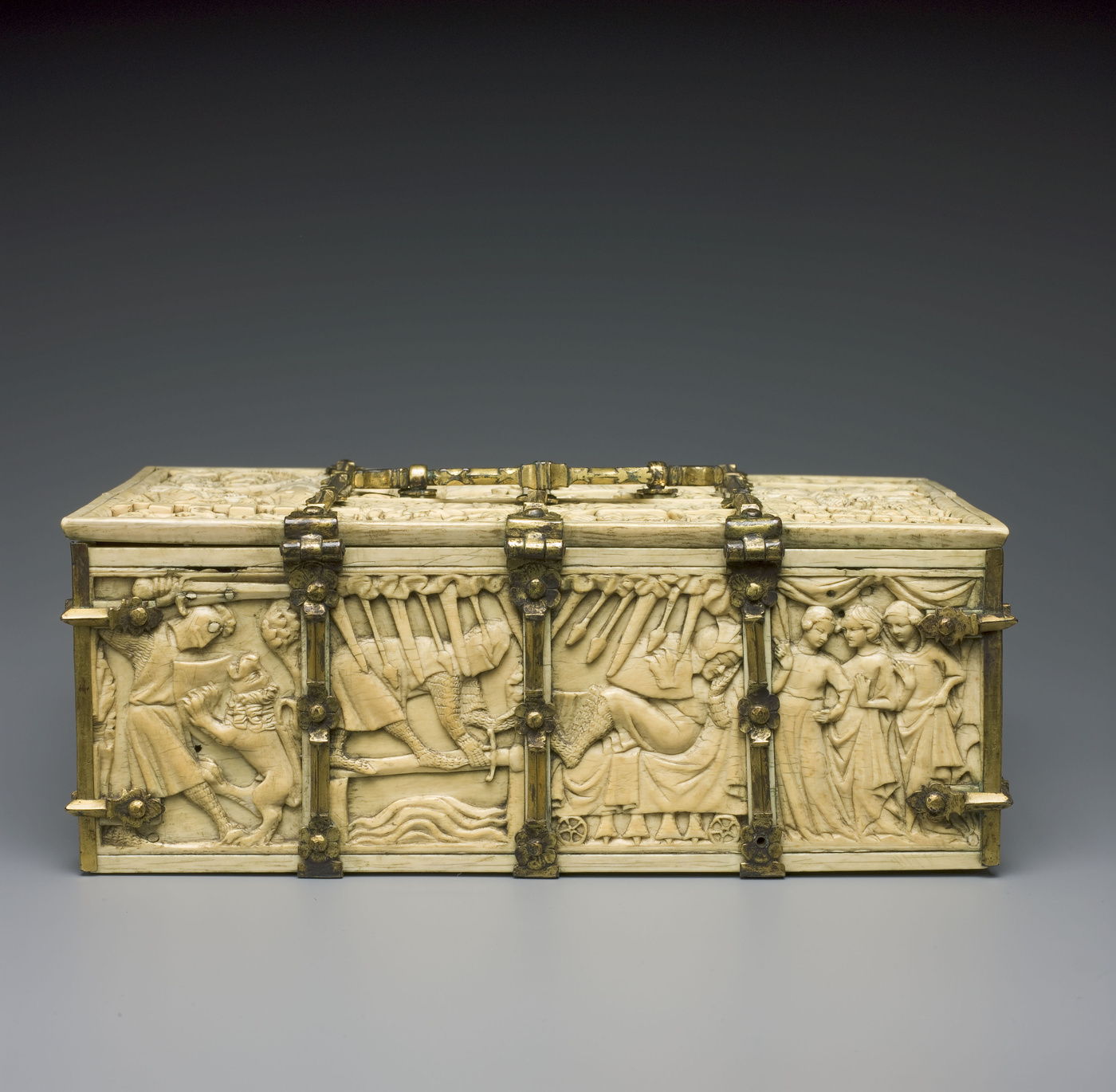
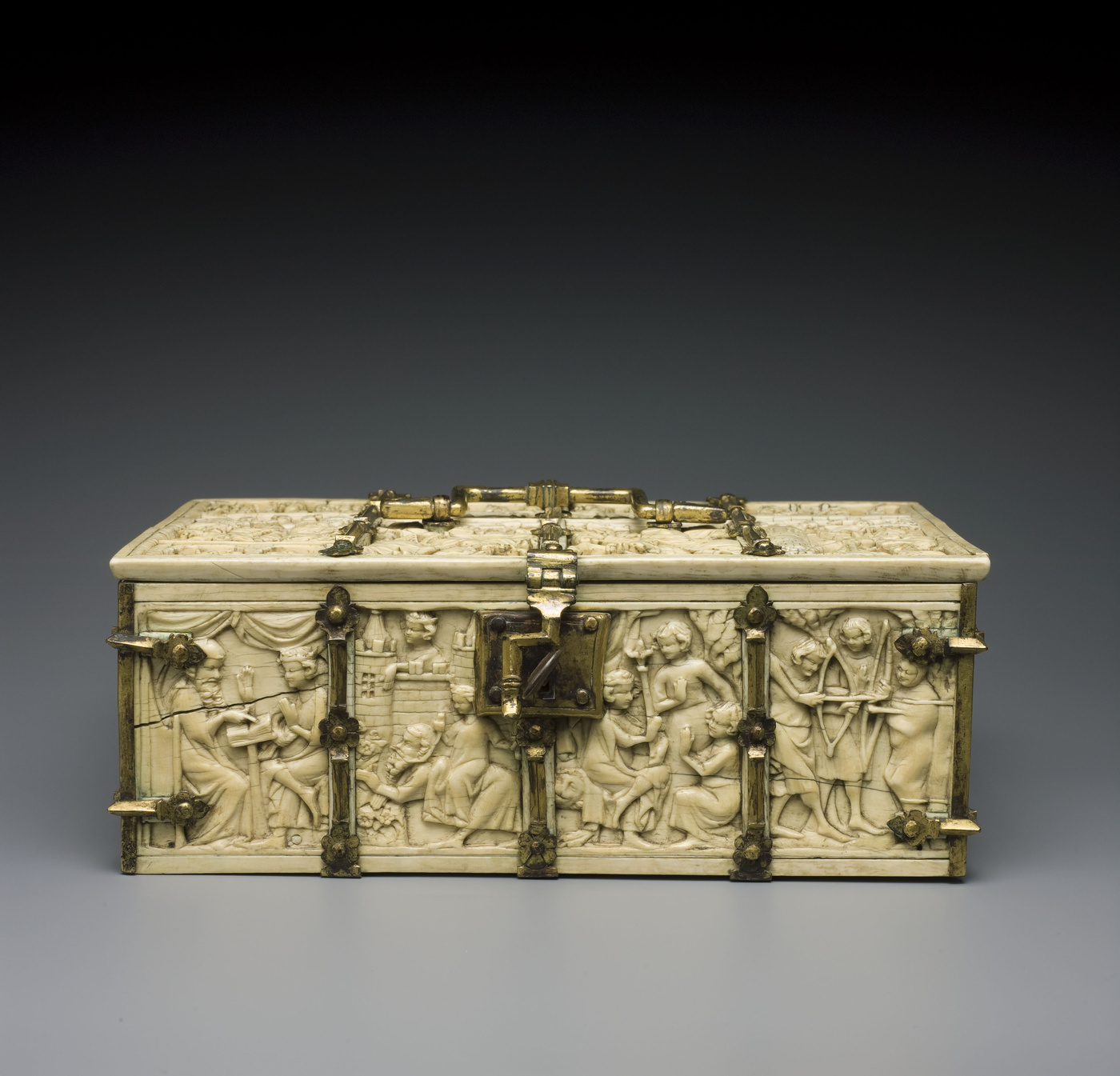
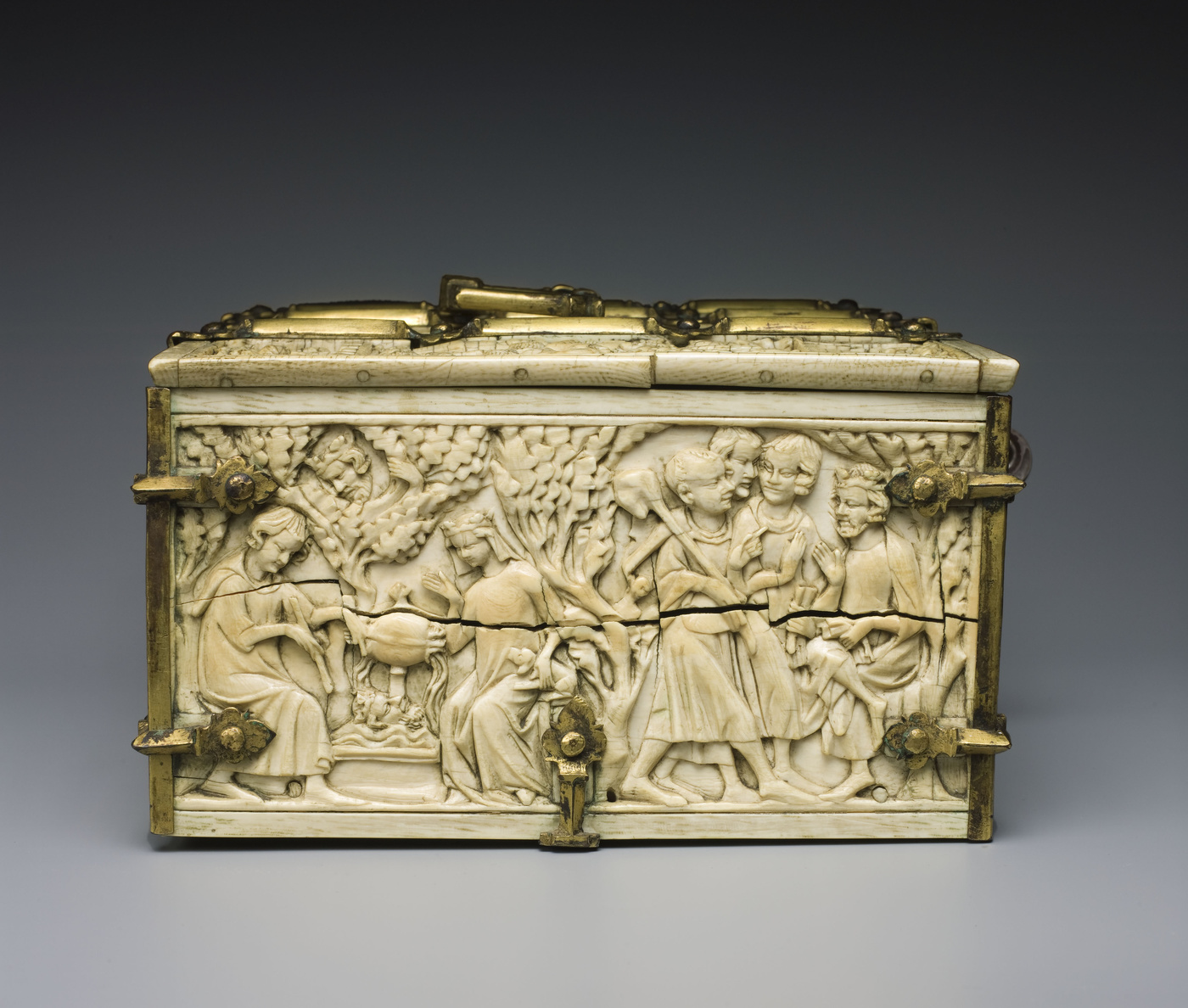
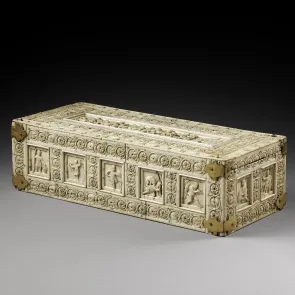
Created around 1310, this magnificent casket consists of five carved plates in elephant ivory. They represent a collection of more or less famous scenes from the mediaeval romantic world and themes of courtly love.
Intended for the social elites whose lifestyle remained predominantly itinerant, the boxes were used to hold jewellery, letters, and various small precious items.
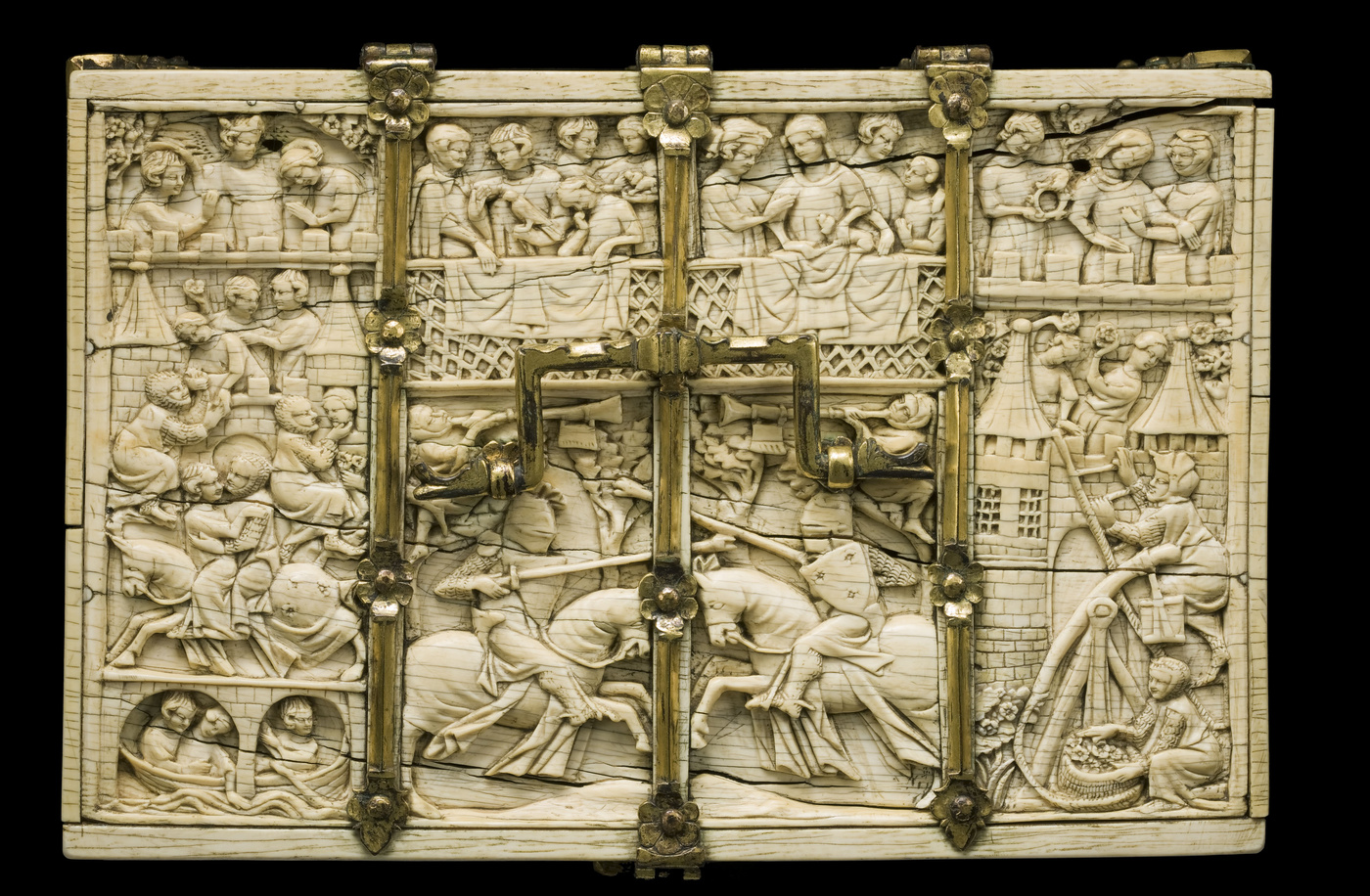
The main plate that forms the lid is devoted to the allegorical theme of the assault on the castle of love. This scene is divided into three parts. In the centre, two knights are jousting under the watchful eyes of the ladies for whom they are battling for. On the right, women defend the castle by launching flowers at the attackers, while the attackers prepare to send a basket of flowers over the castle using a catapult. On the left, a lover kidnaps his beloved and the couple escapes by boat.
Where this story originated from is uncertain. Neither literary versions nor illuminated equivalents are known. However, the second part of the Romance of the Rose (around 1230-1280), a true book of courtly love, establishes a parallel between the conquest of the beloved woman and the assault on a castle.
The theme of the assault on the castle of love on ivory in the first half of the 14th century thereby makes a connection between the world of knightly novels with the allegorical universe of courtly love, as described in the Roman of the Rose. The casket is said to be composite because the themes of the side plates are taken from different literary sources. We see episodes from the Tale of the Grail, the story of Gawain, that of Lancelot, the romance of Tristan and Iseult.
This masterpiece is a quintessential example of Parisian ivory craftsmanship, which reached its peak at the turn of the 13th and 14th centuries. At this time, there was a regular supply of ivory which enabled many pieces to be produced. Ivory was a precious material at that time, so much so that pieces of ivory were noted on the same level as gold or gemstones in accounts and inventories.
During the reign of Philip the Fair (1285-1314), numerous royal, princely, and ecclesiastical commissions fostered development of a high-quality artistic environment, while a clientele of wealthy bourgeois emerged alongside it. At the same time, secular ivory carving was flourishing, and themes of courtly love and chivalric romances were particularly honoured.
The style used in the plates of this casket is part of an art that originates at the time of Saint Louis (1226-1270), but which seeks more gracefulness, refinement and preciousness, and which favours a lively narrative that willingly includes anecdotes. The flowing, soft treatment of clothing, slim faces with almond-shaped eyes, and round hairstyles adorned with short curls are typical of this period.
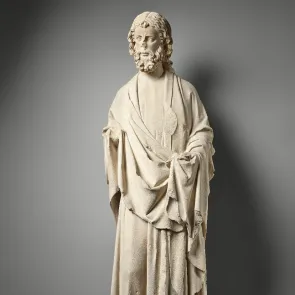
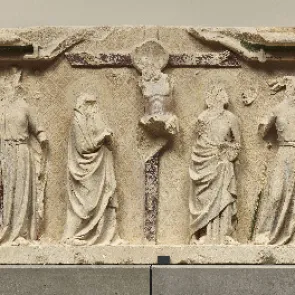
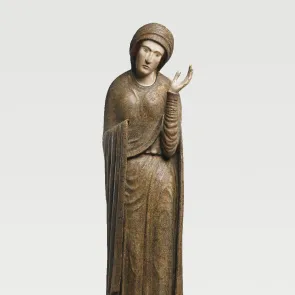
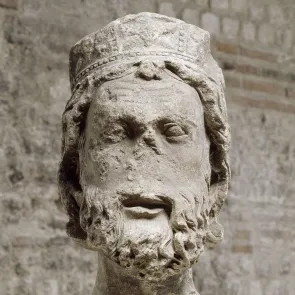
Finally, a certain common style can be observed with the sculptures of the chapel of the priory of Saint-Louis de Poissy, founded by Philip the Fair in honour of his grandfather who was canonised in 1297.
A work of major cultural heritage significance acquired by the State for the Musée de Cluny in 2007 thanks to the patronage of Groupama and with the support of the Society of Friends of the Musée de Cluny.