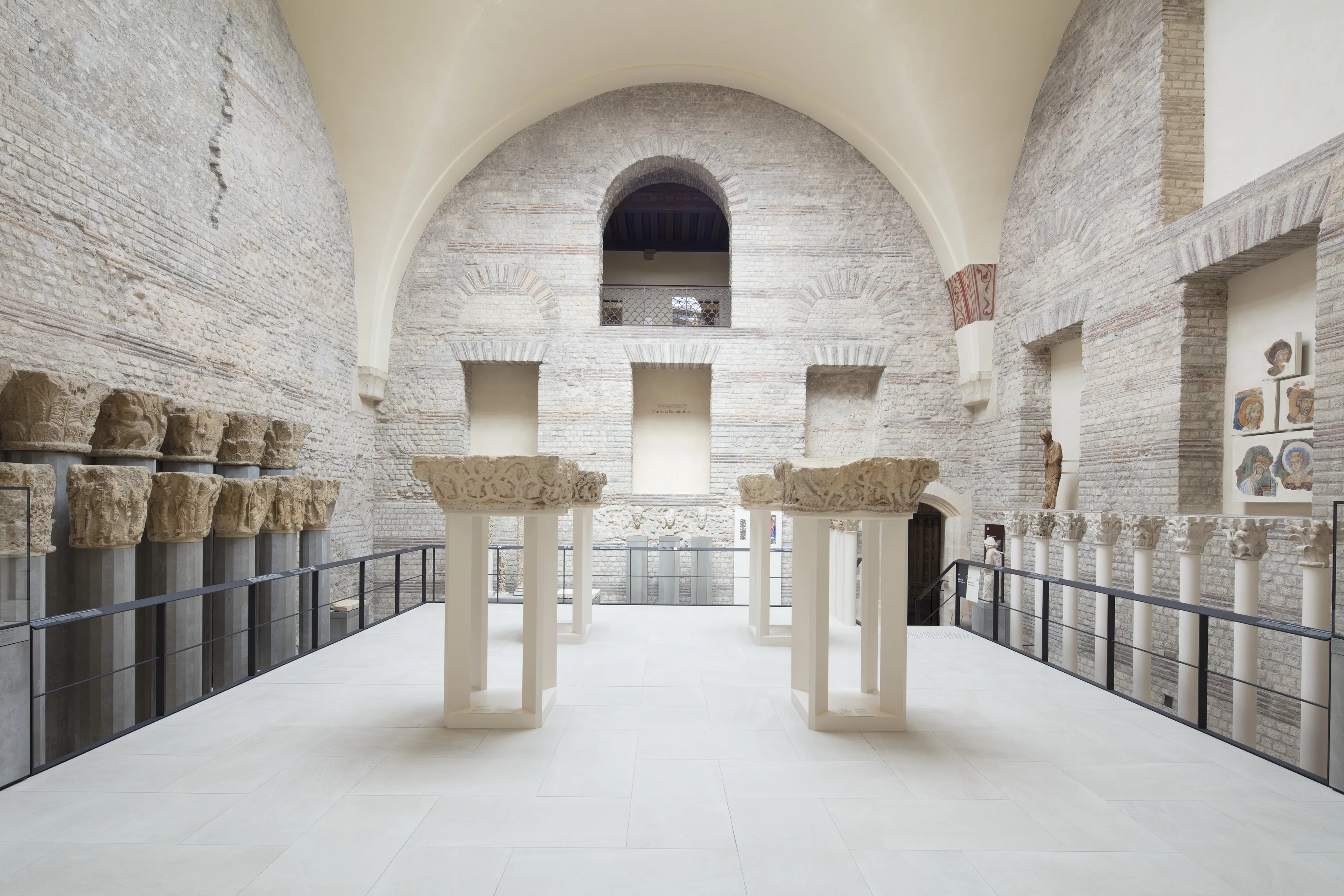
Room 3 - Between Romanesque and early Gothic Art
© Michel Bourguet / musée de Cluny - musée national du Moyen Âge
Studying and restoring collections
Contributing to knowledge about the Middle Ages
The museum’s scientific teams contribute to advancing knowledge about artistic production and the mediaeval period. They study and analyse the collections in relation to other museum collections and within a multidisciplinary framework. The annual restoration campaigns also contribute to improving knowledge about the works.
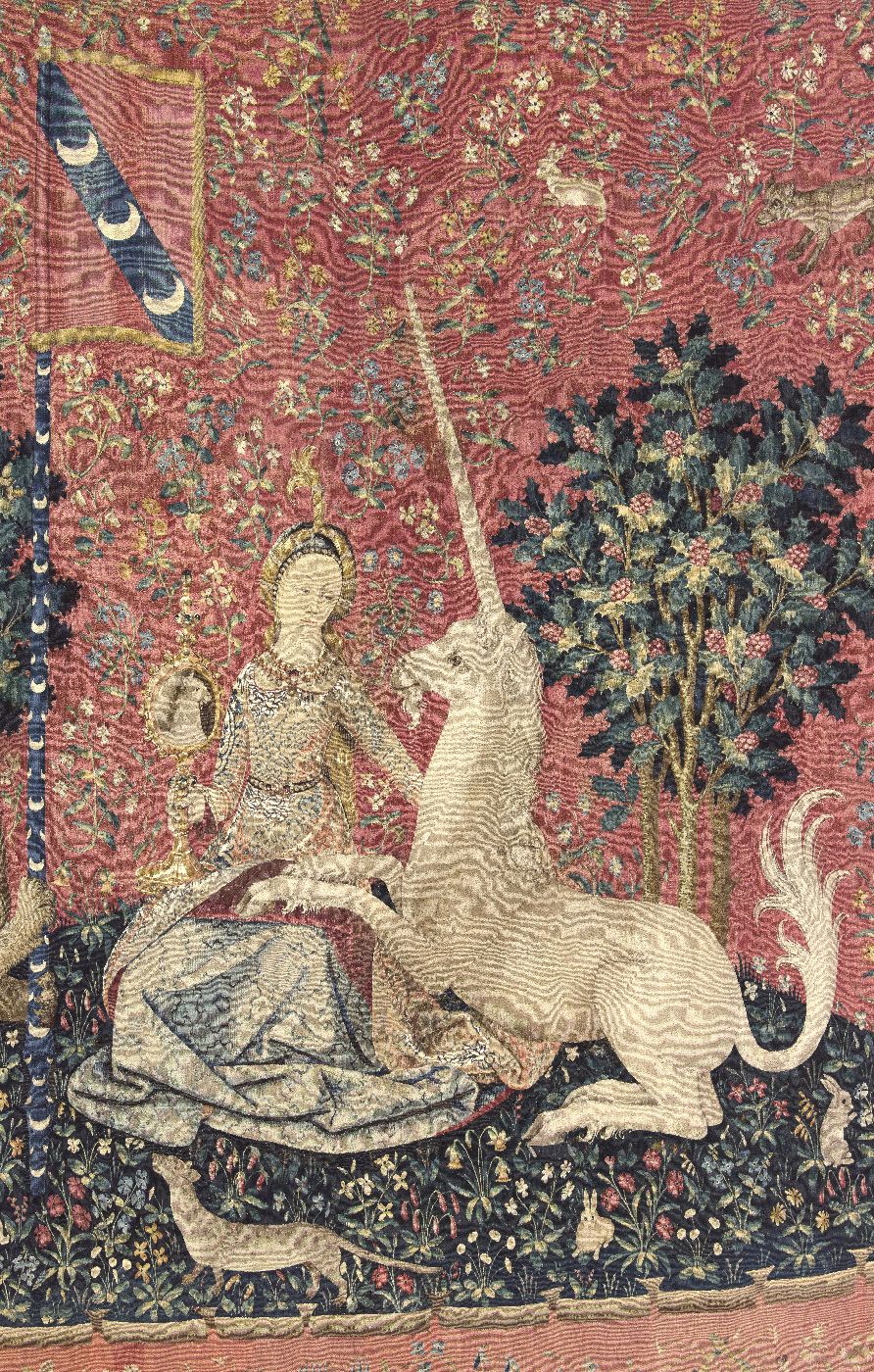
The Lady and the Unicorn tapestries, Sight, Cl. 10836 (detail) © GrandPalaisRmn / Michel Urtado
Studying the collections
The research team at the Musée de Cluny uses various methods to study and publish the museum's collections. A series of catalogue raisonnées according to collection type has already been published and will be expanded in the coming years.
These collections are also examined in the context of exhibitions or articles for scientific journals, or symposia.
The Musée de Cluny has a research journal to make the research carried out by the scientific team accessible and circulate it.
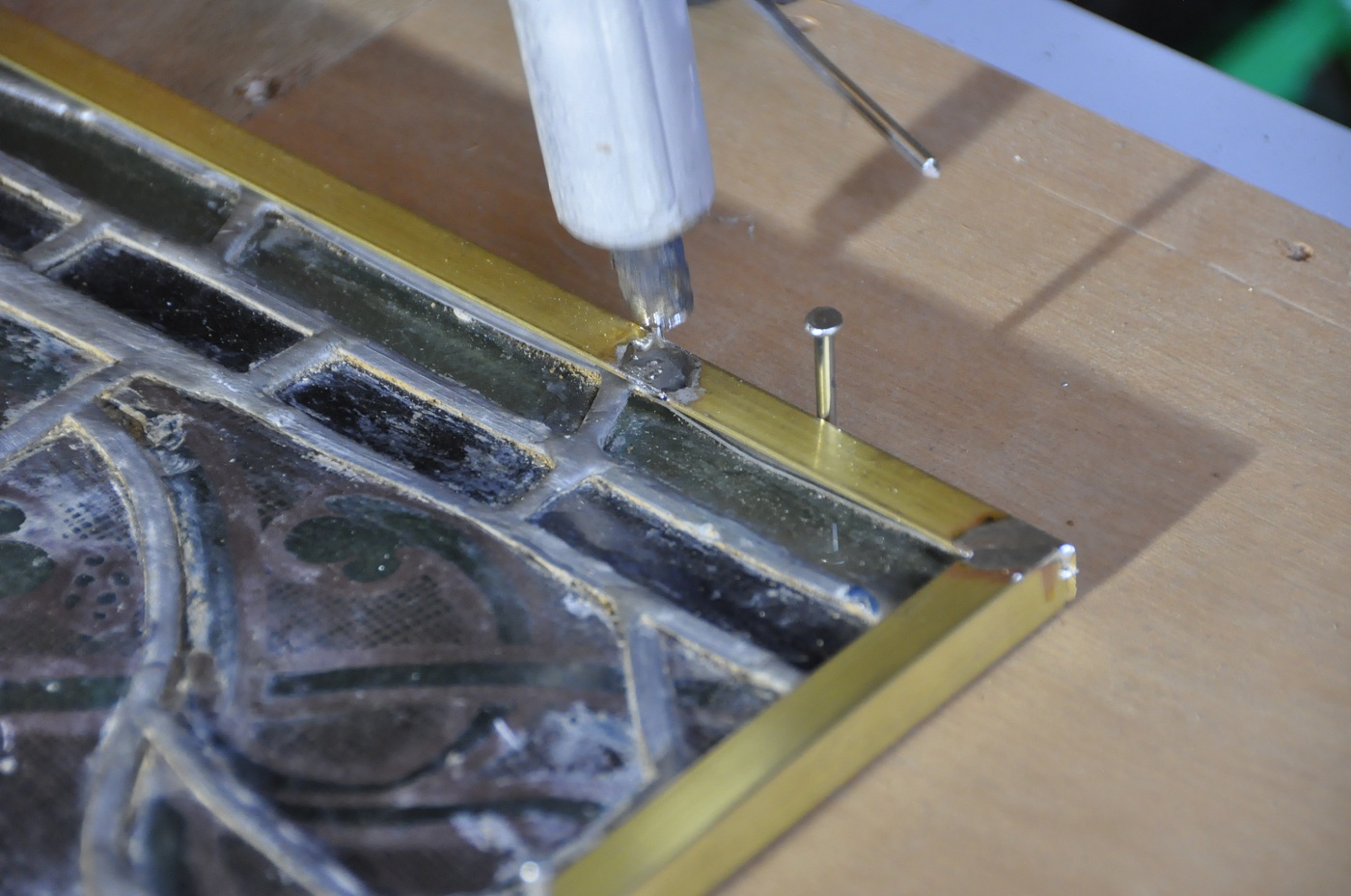
Restoration of a stained-glass window in 2021 © Musée de Cluny - musée national du Moyen Âge
Restoring the works
To ensure their preservation for future generations, works sometimes need to be restored. Annual restoration campaigns are carried out in line with emergencies and current research topics. This significant phase in the life of a work often presents an opportunity to study it again with modern tools and further knowledge. These restorations are entrusted to curators-restorers whose interventions are defined by a multiannual contract composed of several groups, depending on the nature of the works and materials. The C2RMF may also be asked to perform major restorations, requiring prior study and scientific imaging examinations.
In 2023-2024, several sculpted elements that come from Notre-Dame Cathedral in Paris that are preserved at the Musée de Cluny were restored. Careful observation of the sculptures, their analysis and the interventions carried out revealed elements of polychromy. This confirms that these sculptures were painted. Above all, analysis of these colourful fragments has given us a more precise idea of the spectacle these works would have offered in mediaeval times.
Similarly, the identity of a fragment previously considered to be a Tête de Vertu was challenged by the restoration. The analyses revealed traces of rainwater running on her cheek and gaps on the top of her hair. These indications show that the sculpture was unquestionably exposed to the elements. And they helped to locate its original location on the façade of the cathedral: this head was probably that of one of the angels located in the high parts of the transept’s north portal.
This research conducted by the museum's conservation teams in collaboration with conservator-restorers from the C2RMF and LRMH (Laboratory for Research on Historical Monuments) is intended to be presented to the general public, particularly in temporary exhibitions or lectures.
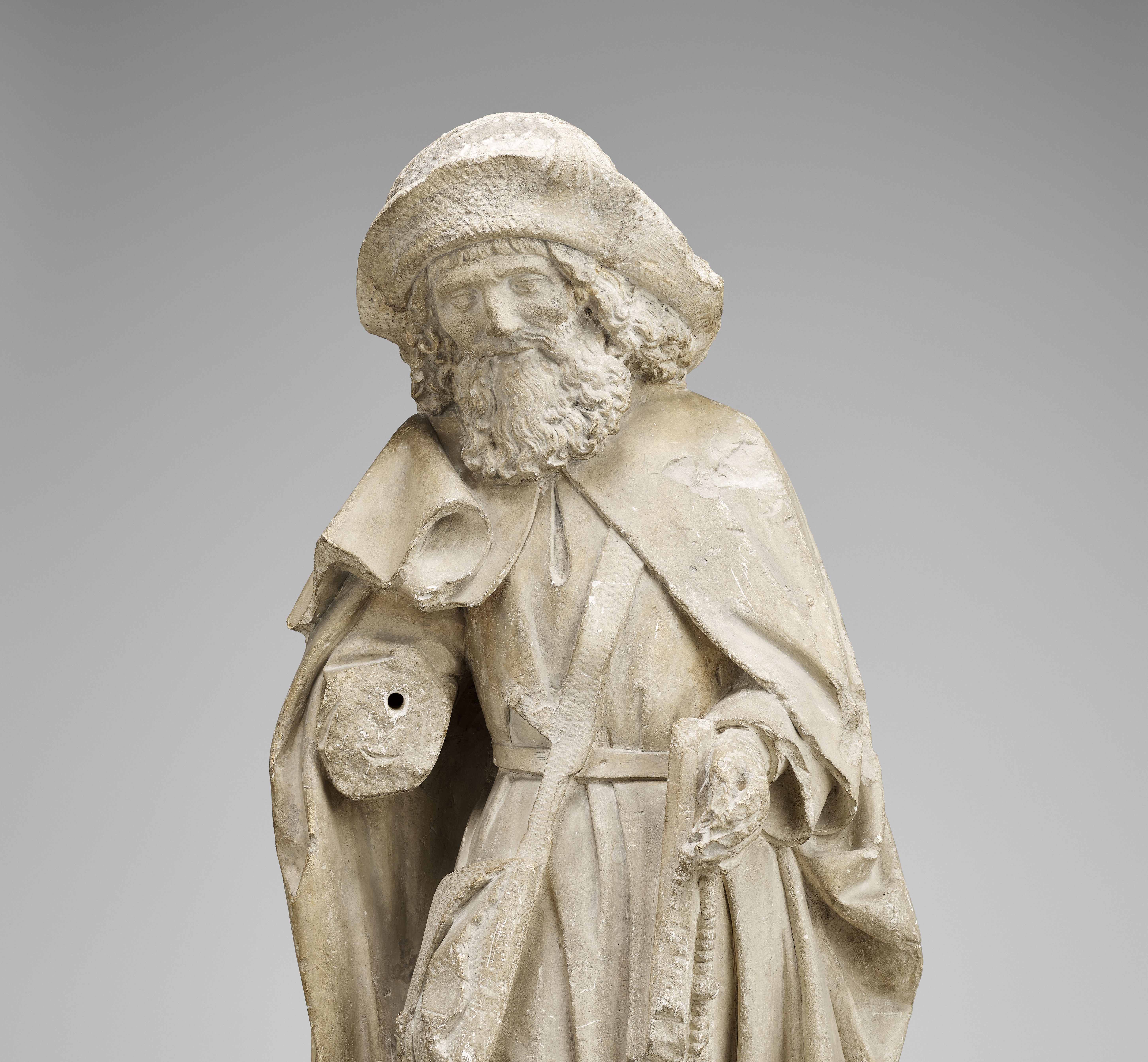
Saint James the Greater as a pilgrim (detail), RFR 2 © GrandPalaisRmn / Tony Querrec
Provenance research
One of the major areas of research in museums today relates to the issues of provenance. It involves documenting the history of a work and tracing its different owners, to throw light on its journey and successive uses. This study also helps to understand any alterations or modifications better.
Any change of ownership during the period from 1933 to 1945 receives special attention. This ensures that the object was not wrongfully taken from a Jewish family during the Second World War. The museum also concentrates its research on works that may potentially originate from illegal archaeological excavations or have been unlawfully removed from civil or religious buildings that are part of the public domain.
An MNR work awaiting return
The Musée de Cluny houses a work that was looted but whose rightful owners have not yet been identified. This is an MNR work: Musées Nationaux Récupération (National Museums Recovery). A dedicated page presents this sculpture in detail.
This sculpture of Saint James as a pilgrim was recovered at the end of the Second World War and deposited at the Musée de Cluny a few years later. It is intended to be returned to its owners once they have been located.