
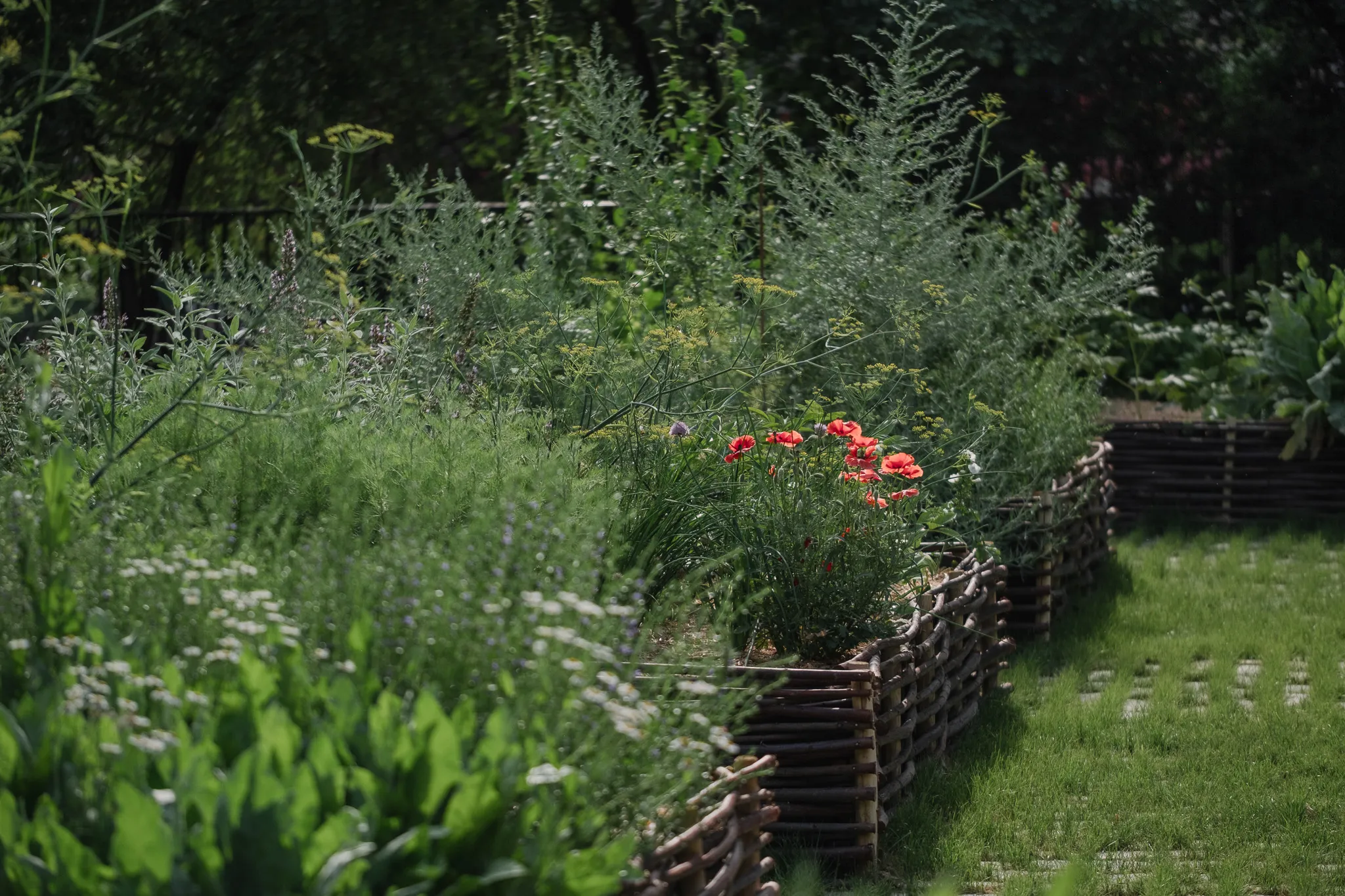
The museum's public garden, renovated in 2025 © Dubontemps / musée de Cluny – musée national du Moyen Âge
Rediscovering the historic garden of the Hôtel de Cluny
A highly-anticipated restoration
The historic garden of the Hôtel de Cluny is currently closed, and significant work is needed to enable it to reopen to the public. This stage will finalise the major modernisation works completed in 2022 and will restore the Hôtel de Cluny's original garden. This garden will be part of the visitor's experience and it will only be possible to see it in this context, unlike the large public garden that reopened in July 2025.
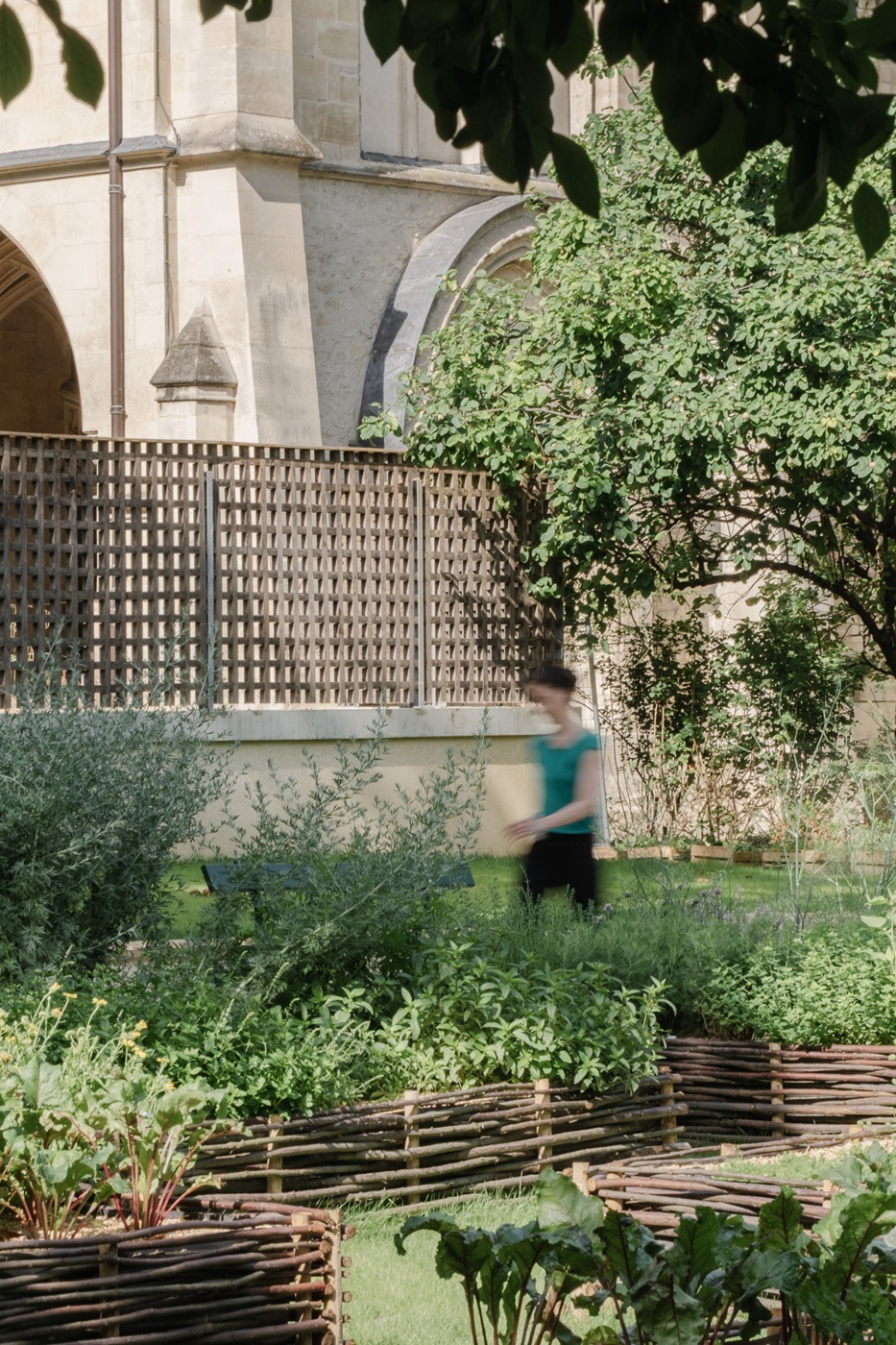
Musée de Cluny's public garden © Dubontemps / musée de Cluny – musée national du Moyen Âge
Restoring the Hôtel's mediaeval layout
The garden known as the Abbots' garden is an essential element of the private mansion design, located between courtyard and garden. Abbot Jacques d'Amboise adopted it to build the Hôtel de Cluny at the end of the 15th century, and the formula persisted until the 18th century for the urban residences of the elite.
This restoration of the garden is particularly significant in terms of architectural history, as the Hôtel de Cluny is one of the very first of its kind in Paris and the only mediaeval private mansion still visible in the capital.
By skilfully using the irregular plot and the presence of historic buildings, the architect found innovative solutions to these constraints to build a prestigious residence in the heart of Paris, which was set back from the street and featured a shallow ornamental garden that followed the axis of the main building.
The boundaries of this old garden have been lost over time in favour of a larger public garden overlooking Boulevard Saint-Germain, but historical sources show us where they lay.
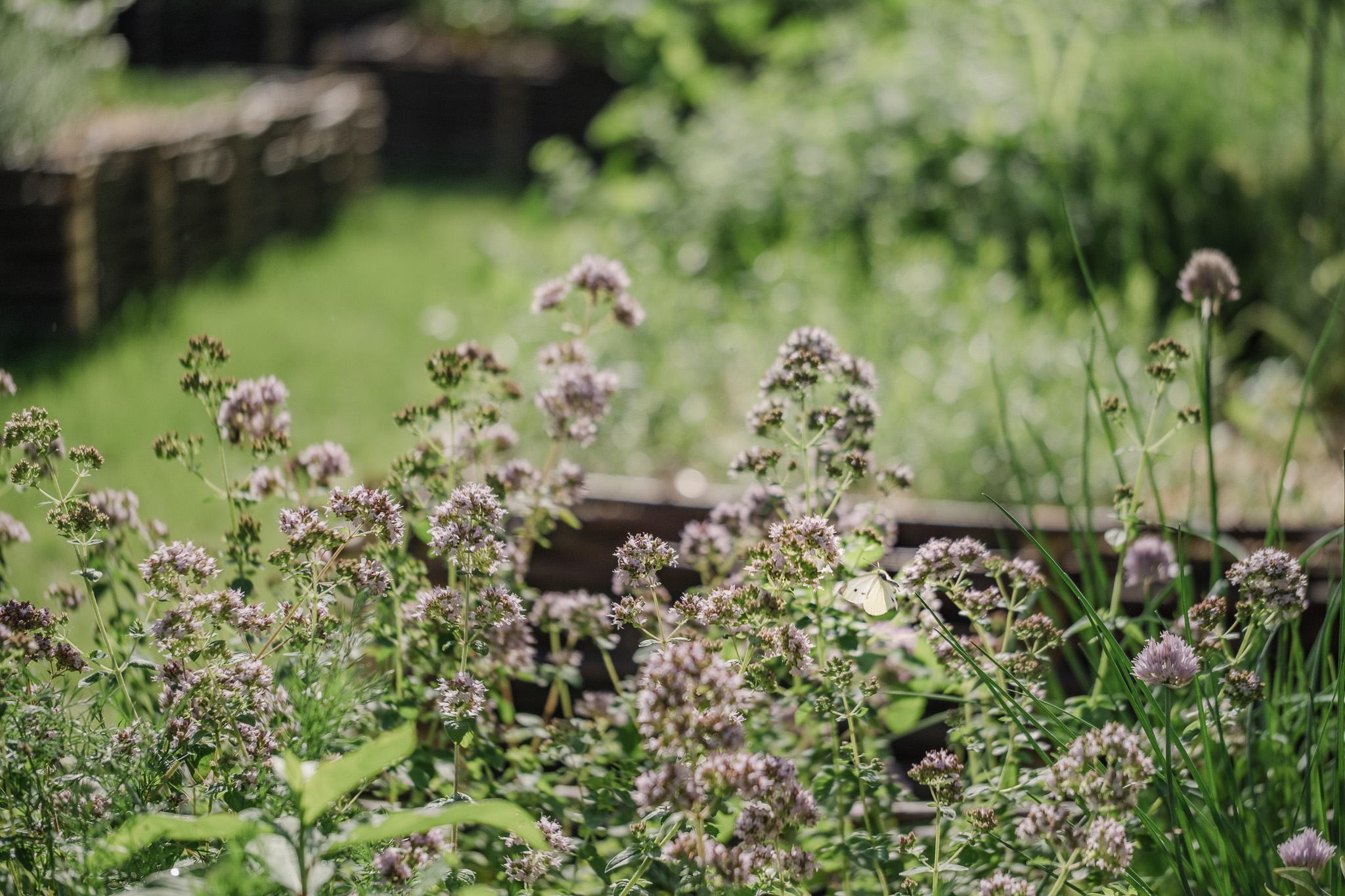
The museum's public garden, renovated in 2025 © Dubontemps / musée de Cluny – musée national du Moyen Âge
A project with high ecological value
In addition, current ecological and climate challenges are central to the design of this garden, which aims to enhance biodiversity through features such as maximised plant coverage (vertical gardening) and dedicated spaces for insects and birds.
Regarding the choice of plants, they will be native species that support pollinating insects and are suited to the local climate, requiring less maintenance and water. Soil design will favour natural methods (organic mulching, crop rotation, etc.). Chemical pesticides and fertilisers will be eliminated in favour of natural alternatives that consider the garden's composition (composting, repellent plants, etc.). Finally, to reduce water consumption and prevent rainwater runoff, a rainwater collection system will be implemented.
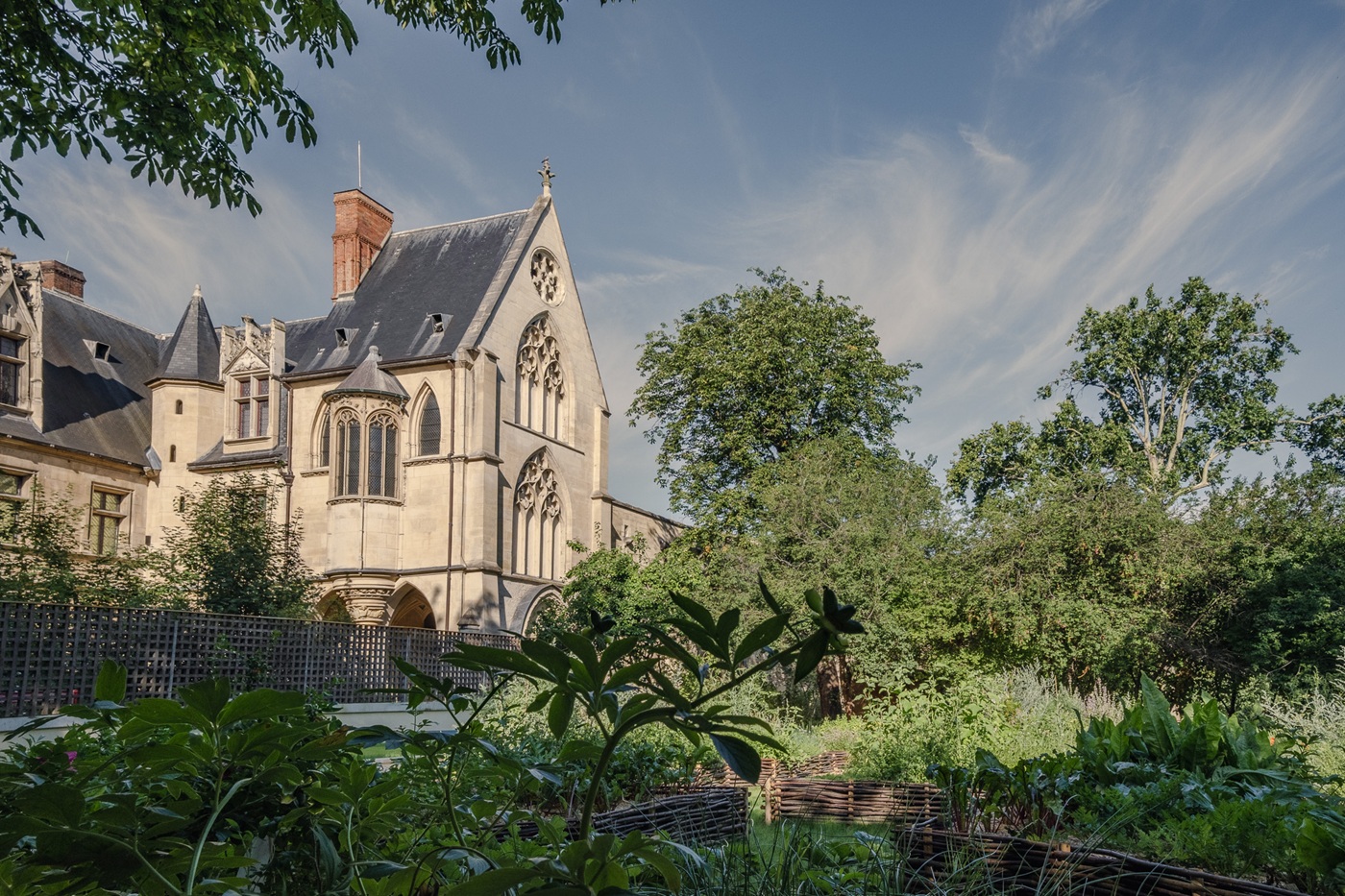
The chapel of the Hôtel de Cluny, viewed from the public gardens © Dubontemps / musée de Cluny – musée national du Moyen Âge
The restoration site
This garden has been closed to the public for several years due to safety concerns.
The City of Paris, with funding from the State and the museum, carried out work in 2024-2025 to redevelop the "public garden" section (4,000 m²) and the Musée de Cluny will then be responsible for restoring the historic Abbots' garden (450 m²).
The work undertaken by the Musée de Cluny for the Abbots’ garden will be carried out under the project management of the Chief Architect of Historic Monuments. The restored garden will be open to all visitors and will form an integral part of the museum tour. The public will have the opportunity to rediscover and admire the stunning façade of the mediaeval hotel from the garden side.
The museum is seeking support to successfully accomplish the restoration of the historic garden.